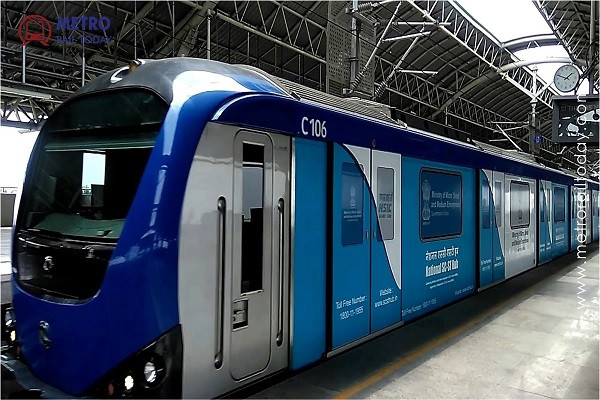
CHENNAI METRO — The Chennai Metro Rail Limited (CMRL) has achieved a significant milestone in Phase II expansion, with 35% of underground tunnel construction now complete across the 118-kilometer network that will connect key corridors including the IT-heavy Old Mahabalipuram Road (OMR) stretch.
This progress update signals major infrastructure advancement for South Chennai, particularly for the planned Sholinganallur-Navalur-OMR corridor that will transform connectivity for the IT Corridor's massive workforce and residential communities.
Phase II Overview and Scale
Chennai Metro Phase II, approved in 2020, expands the existing 45-kilometer network by adding 118 km of new routes across three main corridors. The underground sections, totaling approximately 52 kilometers, require sophisticated tunnel-boring technology to navigate beneath Chennai's urban landscape.
The network will eventually connect 128 stations, dramatically improving public transportation access across the metropolitan region. For OMR residents, this translates to a direct rail link from suburban IT Corridor areas to central Chennai.
• Corridor 3: Madhavaram to SIPCOT (45 km) — Planned
• Corridor 4: Light House to CMBT (26.1 km) — With Sholinganallur extension
• Corridor 5: Madhavaram to Sholinganallur (47 km) — Includes OMR stretch
• Total: 118 km with 128 stations across three routes
Tunnel Construction: Engineering Marvel Under Chennai
Underground tunnel construction in Chennai presents unique challenges due to the city's coastal sandy soil, high groundwater table, and existing infrastructure. CMRL employs tunnel boring machines (TBMs) capable of excavating through varying soil conditions while maintaining structural integrity above ground.
The 35% completion figure represents significant engineering progress through some of Chennai's most densely populated areas, requiring careful management of traffic disruptions, building foundations, and utility lines during construction.
OMR Corridor: Sholinganallur Extension Impact
The Sholinganallur extension is particularly critical for IT Corridor residents, as it will connect the burgeoning residential and commercial zones along OMR directly to the Metro network. This 10-kilometer elevated line from Nehru Nagar to Sholinganallur is currently under active construction, with phases of road impact already visible to daily commuters.
TRAFFIC CONSIDERATIONS — Current OMR metro construction has caused significant traffic disruptions, particularly in Perungudi, Thoraipakkam, and Sholinganallur areas where only single lanes remain open during peak construction phases. However, this temporary inconvenience paves the way for long-term transportation relief.
• Service lanes reduced to single lanes in construction zones
• Travel time from Tidel Park to Sholinganallur doubled during peak hours
• CMRL committed to road restoration work post-construction
• Expected completion and operational timeline: 2026-2028
Why This Matters for OMR Residents
For the hundreds of thousands of IT professionals, support staff, and residents along OMR, the metro connection will fundamentally transform daily commutes. Currently, OMR commuters face some of Chennai's worst traffic congestion, with peak-hour journeys from Sholinganallur to city center taking 90+ minutes.
Once operational, the metro will provide:
- Faster Connectivity: Journey times reduced by 60-70% during peak hours
- Reduced Stress: No traffic jams or road delays
- Lower Costs: More economical than fuel-intensive private transport
- Environmental Benefit: Reduced vehicular emissions along IT Corridor
- Accessibility: Connects OMR to airport, railway stations, bus terminals
Technical Progress: What 35% Means
Achieving 35% of underground tunnel completion on a 118-kilometer project indicates substantial progress given the complexity of urban tunneling. This milestone suggests approximately 18 kilometers of underground tunnels have been successfully bored and lined with concrete segments.
Remaining work includes continuing TBM operations through additional sections, completing station construction at underground levels, installing track infrastructure, and extensive testing before passenger operations begin.
Timeline Expectations
While exact operational dates remain subject to construction variables, industry estimates suggest Phase II stretches could begin trial runs by late 2026, with full passenger services potentially by 2027-2028. However, COVID-19 disruptions, supply chain challenges, and underground construction complexities may affect this timeline.
Current visible construction along OMR suggests the Sholinganallur extension is on track, with elevated viaduct construction visible between Perungudi and Sholinganallur junctions. This elevated section avoids some of the underground complexity but requires extensive ground-level infrastructure work.
Comparative Context: Why This Is Significant
Chennai Metro Phase II expansion makes it one of India's largest metro construction projects currently underway. When complete, the total network will span over 163 kilometers, placing Chennai among the top metros in India by network length, behind only Delhi-NCR and expected to match Mumbai's scale.
For a city that has historically relied heavily on road-based transport, this represents a fundamental shift toward sustainable public transit—a transformation that will reshape how Chennai residents work, commute, and plan their daily activities.
• Phase II construction progressing steadily
• Sholinganallur extension will directly serve IT Corridor
• Temporary traffic disruptions for long-term convenience
• Expected operational benefits by 2027-2028
• Monitor official CMRL updates for specific timeline milestones
Construction Innovation and Safety
CMRL employs state-of-the-art tunnel boring machines that can operate 24/7 with minimal surface disruption. These TBMs include built-in systems for lining installation, grouting, and progress monitoring. The technology ensures minimal disturbance to existing infrastructure above ground while efficiently creating the underground passageways.
During construction, safety remains paramount with continuous monitoring of ground settlement, building foundations, and existing utilities. Advanced surveying and real-time data collection help prevent any structural damage to buildings along the construction route.
For updates on Chennai Metro Phase II progress and operational schedules, residents can check the official CMRL website or follow Chennai Metro Rail Limited announcements through government channels.